
Why Ignoring Tinnitus Could Impact Your Hearing Health
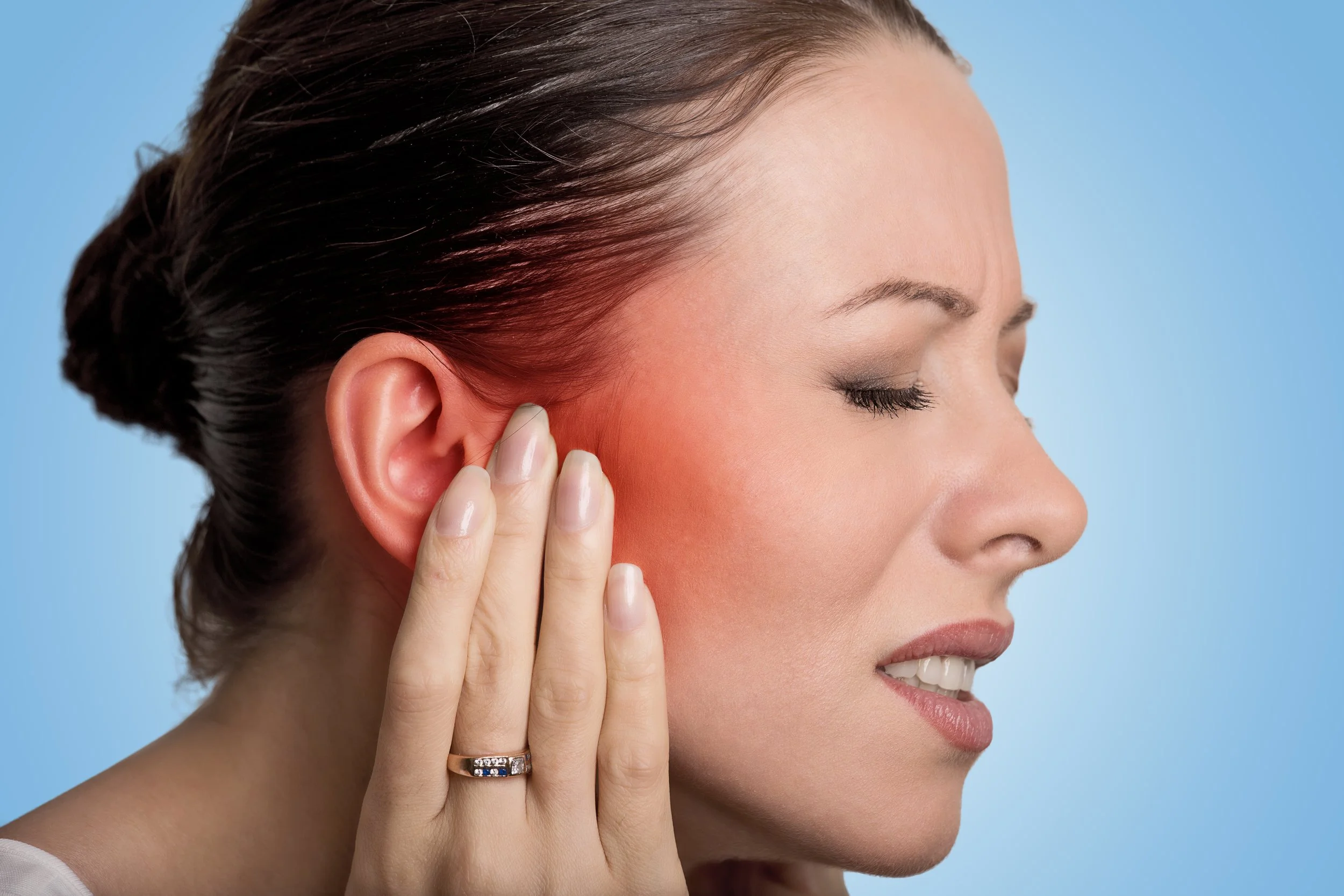
Tinnitus — the persistent ringing, buzzing or hissing sound in your ears - affects millions of people worldwide. For some, it’s a minor annoyance. For others, it’s a daily struggle that interferes with sleep, concentration, and overall wellbeing. But here’s what many don’t realise: leaving tinnitus untreated may not just affect your quality of life - it could also impact your hearing health in the long run.
At Shire Hearing, clients often say, “I’ve just learned to live with it.” But while it’s true that tinnitus doesn’t cause hearing loss directly, it can have a significant ripple effect on how well you hear and function in daily life.
The Connection Between Tinnitus and Hearing Loss
Tinnitus and hearing loss often go hand-in-hand. Up to 90% of people with tinnitus also have some degree of hearing loss. While tinnitus doesn’t cause hearing loss, it can mask the sounds you need to hear - especially in quiet settings or conversations with soft-spoken voices.
If you already have a mild hearing loss, tinnitus can make it seem worse than it is. That constant internal noise competes with the sounds around you, making it harder to focus, follow conversations, or enjoy the world as it should sound.
Why Ignoring Tinnitus Can Make Things Worse
When tinnitus is left unmanaged, people tend to withdraw. You might avoid social situations, feel more isolated, or struggle with concentration. Over time, this withdrawal can lead to increased mental fatigue, anxiety, and even depression - all of which further affect your ability to listen and process sound clearly.
In addition, untreated tinnitus can:
Distract the brain from focusing on external sounds
Reduce sound tolerance, making every day noises feel overwhelming
Lead to increased stress, which can amplify both tinnitus and the perception of hearing difficulty
Over time, these factors create a feedback loop where your brain pays more attention to tinnitus and less attention to meaningful sounds - making hearing loss feel more pronounced than it may actually be.
Tips for Protecting Your Hearing at Work
Know your noise levels - Ask your employer for a noise assessment if you're unsure.
Wear protection consistently – Don’t wait until your ears ring-prevention is key.
Replace worn-out gear – Old or damaged earplugs and earmuffs lose their effectiveness.
Get regular hearing checks – Early detection of hearing changes can help prevent further damage.

The Good News: Help Is Available
The first step in managing tinnitus is understanding what’s behind it. At Shire Hearing, our team uses advanced tools to assess your hearing and tinnitus, and we tailor your care plan to include:
Hearing aids that reduce the perception of tinnitus
Sound therapy to help retrain your brain’s response
Counselling and support, so you’re not managing it alone
For many, simply addressing the underlying hearing loss brings immense relief from tinnitus symptoms.
Don’t Suffer in Silence
Tinnitus is your ears trying to tell you something. Don’t wait for it to take over your life - and your hearing. A professional assessment is quick, easy, and often the first step toward a quieter, more connected life.
Come and meet our team!
Book a tinnitus consultation with Shire Hearing today. Let’s help you tune out the ringing and tune back into life.
Cronulla
02 9544 4466
Engadine
02 9520 4774